

Teaching children how to make healthy choices is a crucial task to ensure that they can navigate through difficult situations. Children need opportunities to practice engaging in age appropriate decision making. They develop confidence in their ability to make decisions when they know they can ask for help in the process and when they are supported in the process of making difficult choices. When a child is at risk of abuse and violence, they need to know that they can make the choice to get help from supportive adults.
Big Messages:
- When making a choice, it is important to take the time to think things through (What to say to kids: “Stop and think things through before making a choice.”)
- Even if a poor choice is made, it can be followed with a better choice (What to say to kids: “Even if you make a poor choice, you can always follow it up with a better choice.”)
- Both positive and negative consequences can stem from the choices we make and it is important to take the time to evaluate each
- The choices we make can have an impact on others and vice versa
Learning Goals:
Identify the importance of thinking through a choice before making it
Identify the positive and negative consequences that come with making choices:
- Discuss making choices and consequences
- Explore the outcomes (positive, negative, and neutral) that can be the result of the choices we make
- Examine the decision-making process and identify strategies for making good choices
Activities
Choices and Consequences
What Should We Do?
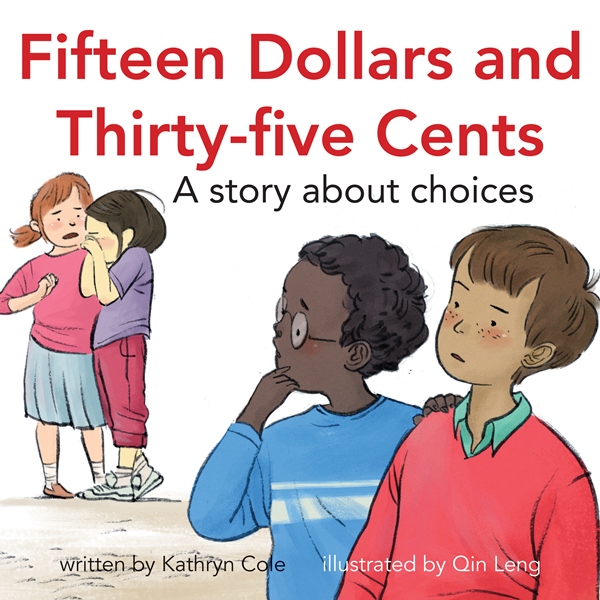
‘Fifteen Dollars and Thirty-five Cents: A Story About Choices’ Role Play
What the Evidence Says:
(click here for full version of literature review)
In the event of child abuse, making the choice to seek help is critical to effective prevention and intervention against harm. In order for a child to make the choice to seek help, they need to know that a supportive network is available to hear the request, that the process is safe, and that effective help is on the way (Ungar, et al., 2009). A number of factors can act as barriers to children making the choice to get help when being maltreated. For example, believing that support would not be available is one significant factor impeding children from reaching out (Smith & Cook, 2008; Sorsoli, et al., 2008). Children may also feel shame or guilt around what has happened and it is imperative that they are reassured that any form of maltreatment is not their fault and that the decision to seek help is a correct one (Chan, et al., 2011). By teaching children how to make healthy choices around getting help, we are providing them with valuable tools for navigating through life.
| Note to Facilitator: The facilitator has a legal obligation to report suspicions of child abuse to a child protection agency (in the case of Ontario, the Children’s Aid Society (CAS)). Please review over the information provided around disclosure and the reporting process. |